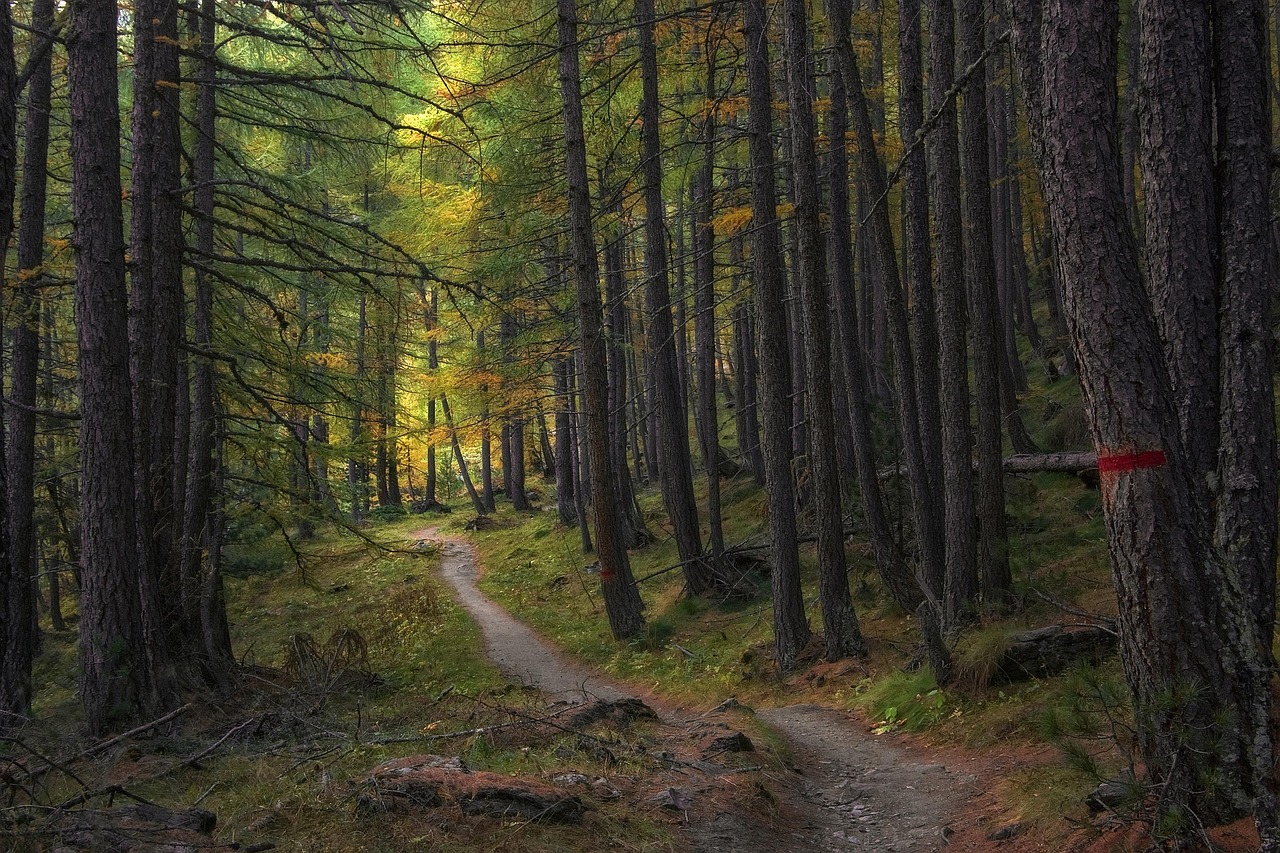
When people go into the forest for their nature hikes, I often wonder if they’re receiving all that Mother Earth has to offer. When I hike with others, there’s a common thread I’ve noticed—everyone is in a hurry. But what happens if we slow down and truly notice what’s around us? Instead of rushing toward the next destination, what if we allowed ourselves moments of stillness, or even chose a single spot to sit and observe?
Nature grounds us. It centers us and reconnects us to the life moving around and through us. And it’s within that connection that synchronized messages can be received. Indigenous cultures understood this deeply. They didn’t just survive by learning from nature; they thrived. The natural world was approached with curiosity, not fear. When you begin to observe the living spirits outside of yourself, you start to recognize distinct personalities in all things. These personalities can be understood as the archetypal energies of animals, plants, and the elements themselves.

Take wolves, for example. Through observing them, we’ve learned they move in packs. They are built for community, not dominance. In fact, it has been found that the oldest and weakest often lead, while the strongest stay behind to protect the group. Wolves teach us that strength comes from supporting those who need help, not from casting out the weak. Their leadership is rooted in cooperation—and that is what makes them so powerful.
Another example can be found in mountain ranges and hillsides. When you look at them, what do you notice? Are they jagged, with fallen trees tangled together? Or do the trees stand tall, rooted deeply into the earth? Do they remind us that growth is often slow, requiring patience—that some things take years, even lifetimes, to fully form?
The elements speak to us in the same way. A river teaches us how to flow with the current. We’ve learned that resisting the water only leads to exhaustion, while letting go allows us to float. The river moves through the land, washing away what is no longer needed. The movement of a river also mirrors the movement of our own tears. Letting go of what we’ve been holding becomes cleansing, just like water washing over the earth.

Divination does not have to exist only in rituals, cards, or sacred spaces. It can be practiced in the quiet moments of daily life—especially when we learn how to listen. When you pause during a walk and notice which bird crosses your path, how the wind shifts, or what draws your attention without effort, you are already participating in a form of divination. The meaning comes not from forcing an answer, but from observing what is being reflected back to you.
In daily life, nature mirrors our inner states. A restless mind may notice only jagged mountains and fallen trees, while a grounded one may see smooth edges, tall trunks, and shelter in the canopy. When we begin to recognize these reflections, we learn how to read the environment as a conversation rather than a backdrop. Earth becomes a living language—revealing what we carry within ourselves.

This way of relating invites us to slow down, to trust our intuition, and to remember that guidance does not always arrive through words. Sometimes it arrives through the way light filters through the trees, the path we feel pulled toward, or the stillness that asks us to stop. Divination, then, becomes less about predicting the future and more about being in right relationship with the present moment.
So start slowing down. Take note of what crosses your path, and what your subconscious is quietly speaking in the background. Because the message is already in front of you—waiting to be seen.